Types of braces and alignersin Bonita Springs, Fort Myers and Marco Island
Schedule Free Consult →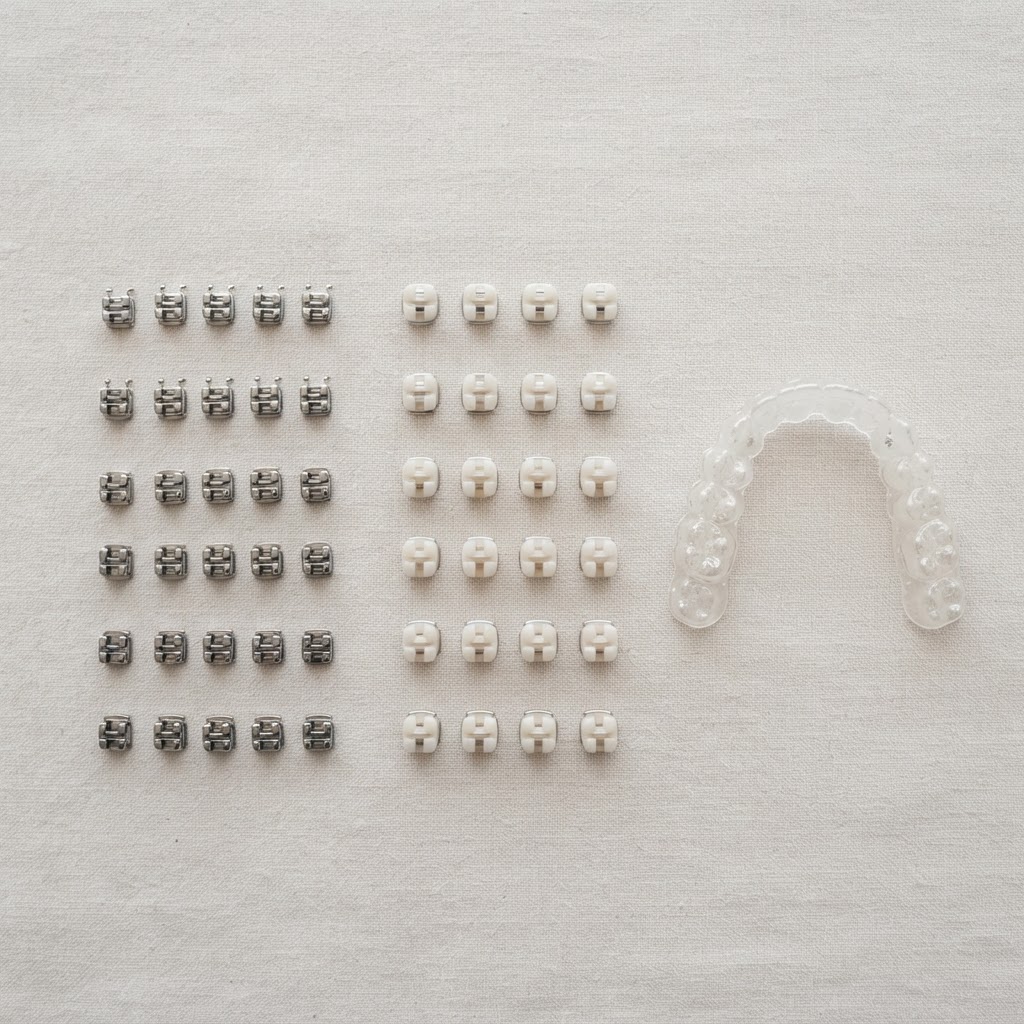
Metal Braces
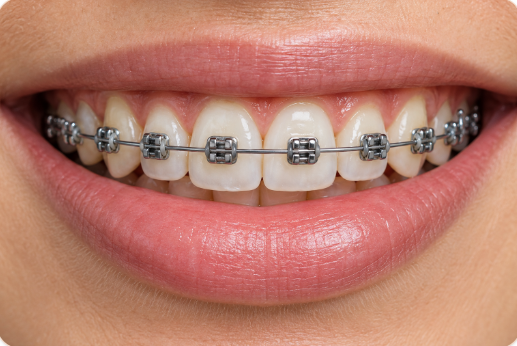
Metal braces use metal brackets and a connecting wire to gradually move your teeth. They stay attached throughout treatment, and colored elastic ties offer a way to personalize their appearance.
Appearance — Visible metal brackets, with a choice of elastic colors.
Wear — Fixed to your teeth throughout treatment.
Everyday care — Brush around brackets and wires, clean between teeth, and avoid hard or sticky foods that could damage your braces.
Ceramic Braces
Ceramic braces use clear or tooth-colored brackets that blend in more closely with your teeth. Like metal braces, they remain attached throughout treatment and use a wire to move your teeth.
Appearance — Less noticeable brackets; the connecting wire may still be visible.
Wear — Fixed to your teeth throughout treatment.
Everyday care — Care is similar to metal braces. Clear elastic ties can become stained between appointments.
Sapphire Braces
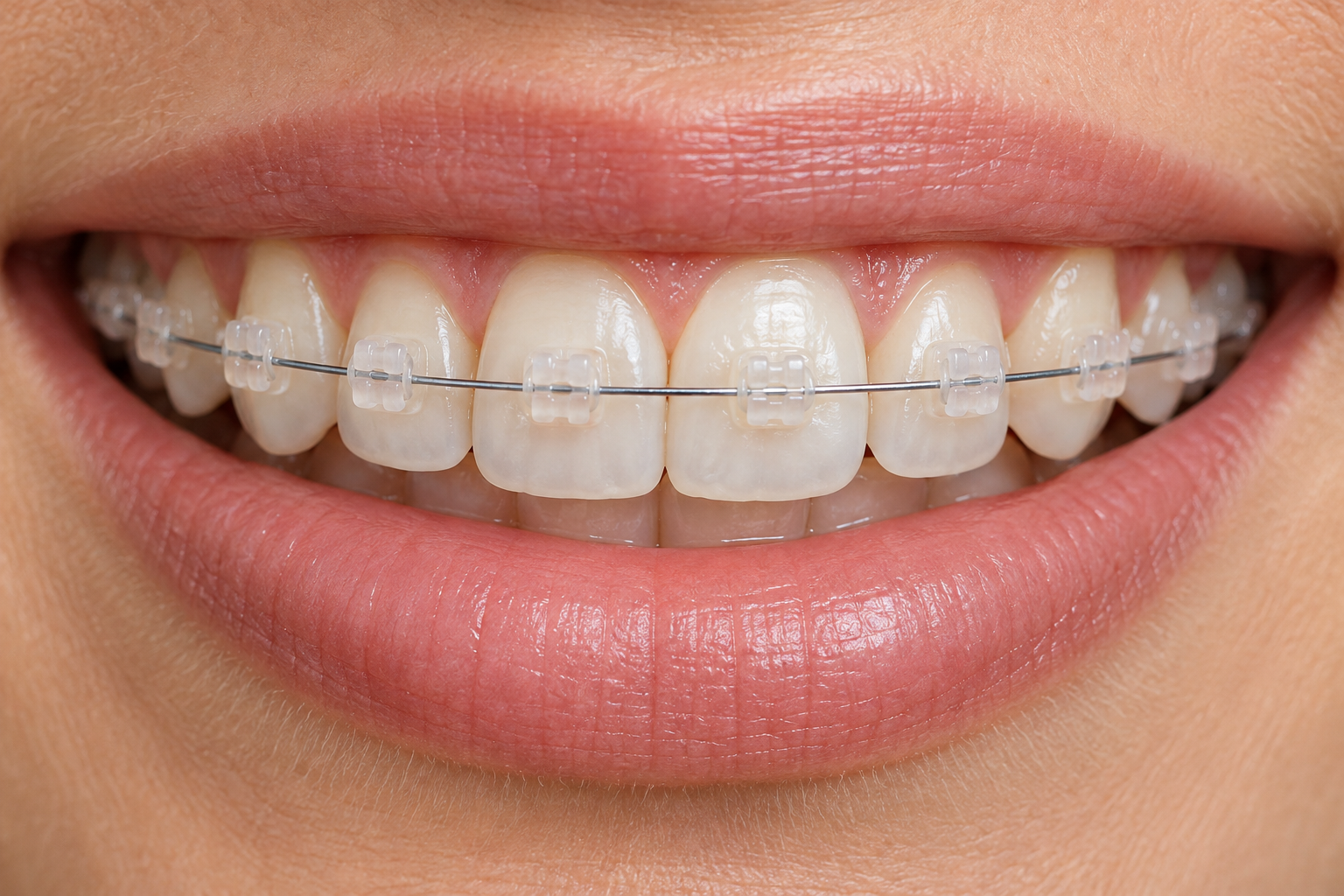
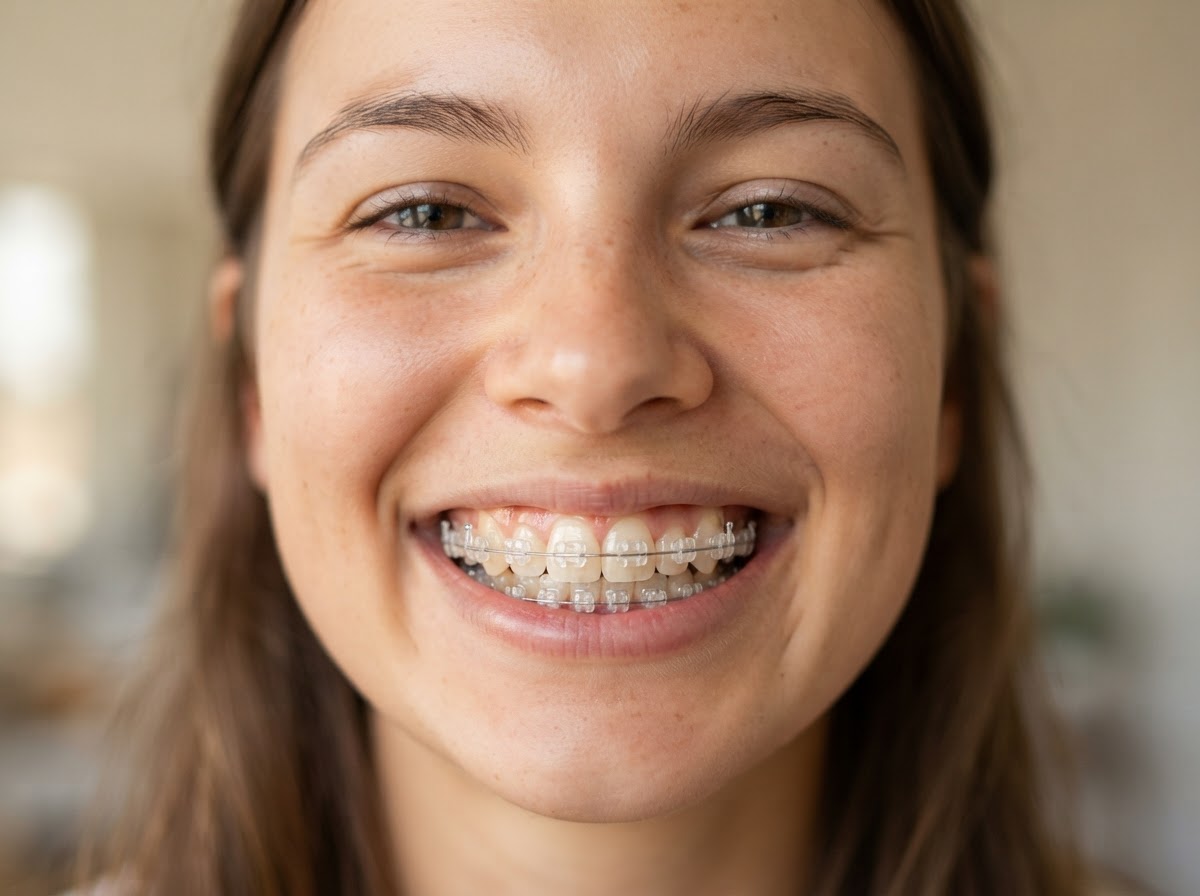
Sapphire braces use brackets made from clear monocrystalline sapphire, so they blend in with your natural tooth color. They work like traditional braces, with brackets and a connecting wire that gradually move your teeth.
Appearance — Clear, translucent brackets that are much less noticeable than metal.
Wear — Fixed to your teeth throughout treatment.
Everyday care — Brush around the brackets after meals and limit coffee, tea and other staining foods and drinks to keep the clear ties looking their best.
Lingual Braces
Lingual braces are attached to the back (tongue side) of your teeth, so they are hidden from view when you smile. Each bracket is custom made to fit your teeth.
Appearance — Hidden behind your teeth and not visible from the front.
Wear — Fixed to the inner surface of your teeth throughout treatment. It may take a short time for your tongue and speech to adjust.
Everyday care — Take extra time to brush and floss behind your teeth, and avoid hard or sticky foods.

Invisalign® Clear Aligners
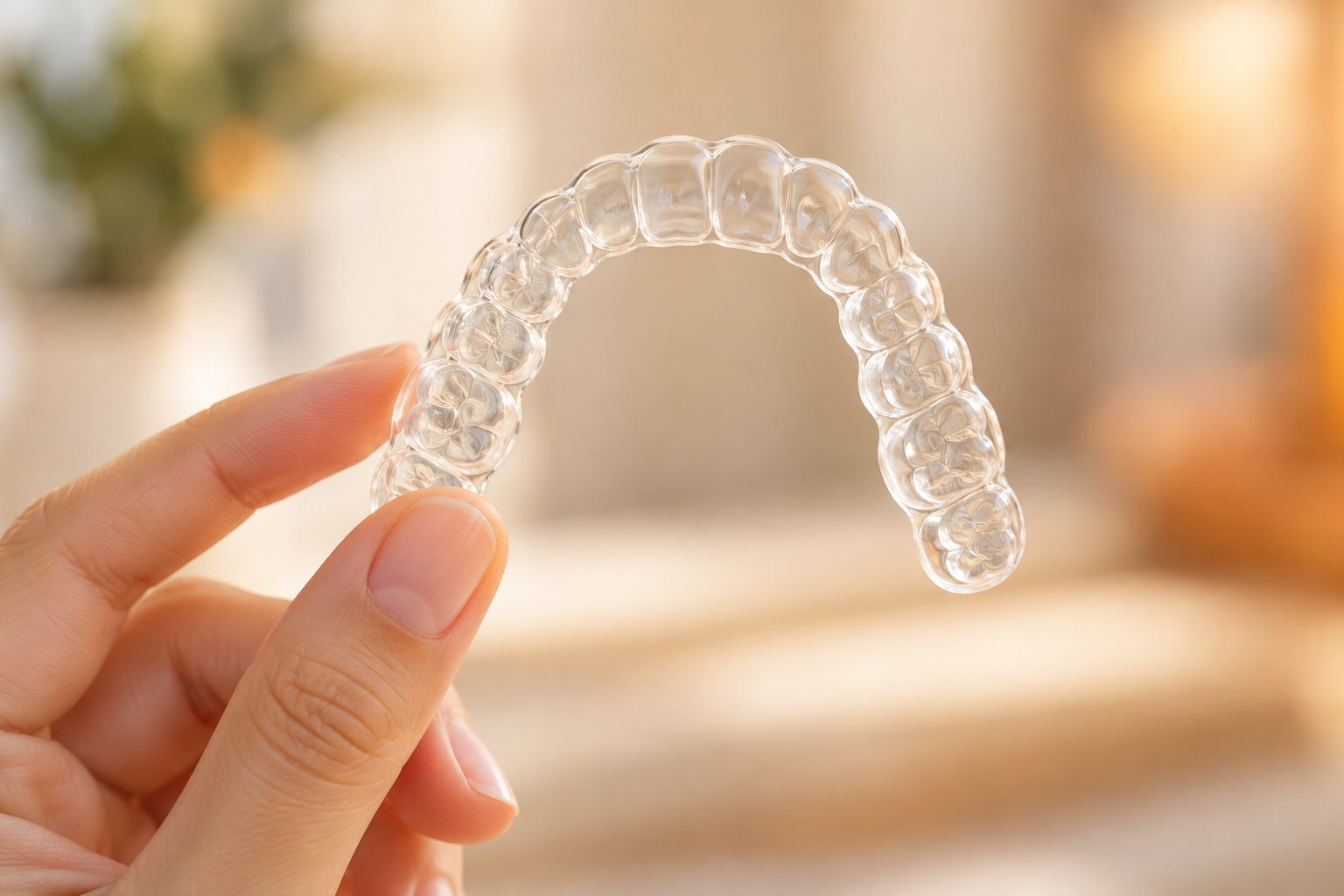
Invisalign uses a series of custom clear trays to gradually move your teeth. You remove the aligners for meals and cleaning, then put them back in and follow the wear schedule prescribed by Dr. Kriger.
Appearance — Clear trays are less noticeable, though they are not completely invisible.
Wear — Removable, with consistent daily wear as directed by your orthodontist.
Everyday care — Remove for meals and drinks other than plain water. Clean your teeth before putting the aligners back in.
Retainers
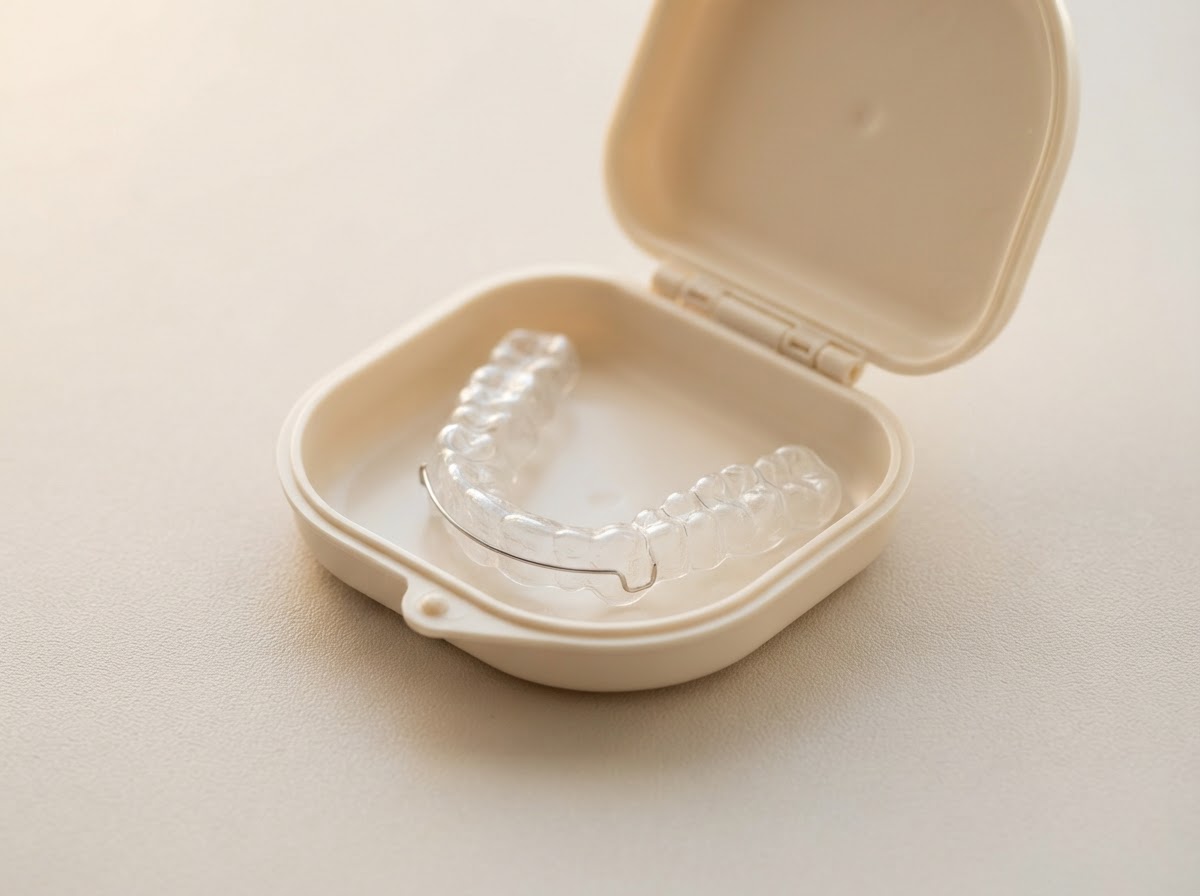
Retainers help keep your teeth in their new position after braces or aligner treatment. Dr. Kriger will recommend the right retainer for you and explain how to wear and care for it.
Types — Clear removable retainers such as Vivera® and Essix, Hawley retainers, and fixed retainers bonded behind the teeth.
Wear — Wear your retainer as directed by Dr. Kriger to protect your results.
Everyday care — Clean your removable retainer daily and keep it in its case when it is not in your mouth.